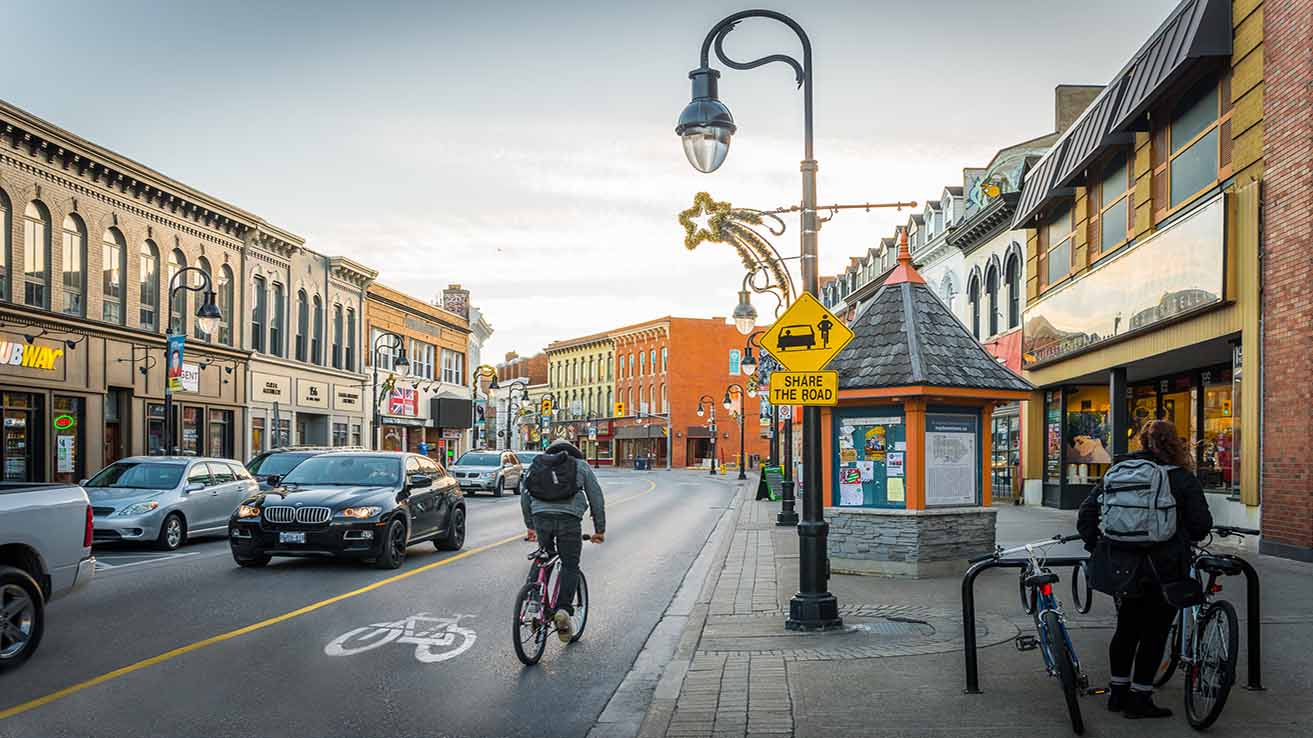
There’s a certain magic in downtown St. Catharines, a feeling that whispers through the air as soon as you set foot on its streets. The city’s historic districts are not just collections of old buildings—they are living chronicles of the people, trades, and stories that shaped the community over centuries. Every corner seems to carry echoes of past conversations, footsteps, and the bustle of commerce that once defined these streets. Walking here is like opening a time capsule: Victorian-era storefronts stand side by side with modern boutiques, cobblestone lanes meander past towering heritage homes, and even the faint scent of fresh-baked bread from long-standing bakeries evokes nostalgia.
Planning my exploration was part of the joy. I booked accommodations through Booking.com and Expedia.ca, ensuring that I could step outside my hotel and immediately be immersed in history without worrying about transportation. Flights were arranged through AirCanada.com and WestJet.com, offering seamless entry into Ontario, while OpenTable.ca became my go-to platform for securing meals at quaint cafés and heritage-inspired bistros nestled within walking distance of the districts. Each day unfolded like a narrative, with streets, architecture, and people revealing chapters of St. Catharines’ story as I wandered.
The city’s historic districts are remarkably compact, allowing for exploration at a slow, contemplative pace. The rhythm of walking here is different—every detail draws attention, from the ornate cornices above storefront windows to the plaques commemorating notable residents and events. I found myself constantly pausing, jotting down observations in a small notebook or framing shots with my camera to preserve fleeting details: a wrought-iron railing glinting in the afternoon sun, a vintage lamp post casting shadows on the brick sidewalk, or a flower box overflowing with seasonal blooms outside a restored Victorian home. These small moments collectively paint a picture of a city deeply rooted in history, yet vibrantly alive in the present.
1. Old Niagara Street District
Address: Niagara Street, Downtown St. Catharines, ON
The Old Niagara Street District is arguably the heart of St. Catharines’ historical identity. Walking along its brick-lined sidewalks, I was immediately struck by the diversity of architectural styles. Some buildings boast red-brick facades with intricate masonry, while others feature early 20th-century stone or stucco exteriors. Each structure carries a story, a glimpse into the commercial and industrial life that once fueled the city’s growth along the canal.
Highlights:
- Historic Storefronts: Many buildings have been painstakingly restored, now housing cafés, boutique shops, and galleries. The charm lies not just in the exteriors but in the way interior renovations respect the original architecture. I spent an afternoon at a local art gallery, where exposed brick walls and large windows perfectly complemented the contemporary pieces on display.
- Welland Canal Remnants: The canal itself shaped much of St. Catharines’ economy. Observing the locks and waterways, I could envision cargo being transported, merchants negotiating, and the city bustling with activity. Photography here is remarkable—sunlight reflecting off the water creates a dynamic backdrop against the historic brick buildings.
- Walking Tours: Organized tours through the Niagara Historical Society offer detailed insights into architectural styles and historical anecdotes. Guides share stories about prominent families, historic businesses, and the evolution of civic life in the district, making the streets come alive with context.
Costs & Booking: Walking the streets is free, while guided tours are CAD \$12–\$20 per person. Reservations can be made via the historical society’s website or through Viator.com for group bookings.
Visitor Tips:
- Wear sturdy, comfortable shoes to navigate uneven sidewalks and occasional cobblestones.
- Early morning or late afternoon provides softer light for photography and fewer crowds.
- Carry a notebook or smartphone for observations; even brief reflections can enhance your connection with the space.
2. Montebello Historic District
Address: Bounded by Geneva St, St. Paul St, and Ontario St, St. Catharines, ON
The Montebello Historic District is a residential area that exudes tranquility and elegance. Walking under the canopy of mature trees, I felt transported to a different era. Victorian and Edwardian homes line the streets, many of them meticulously maintained, showcasing decorative gables, ornate woodwork, and stained glass windows that capture sunlight in vibrant colors.
Highlights:
- Victorian and Edwardian Homes: Each house tells a story, from the detailed moldings to the wrought-iron fences. I often paused to study door knockers and carved wooden balustrades, imagining the families who might have celebrated weddings or hosted community gatherings within these walls.
- Historical Plaques: Scattered throughout the district, plaques offer brief histories of notable homes and residents. Reading them added depth to the walk, linking architectural beauty with the personal stories of St. Catharines’ past inhabitants.
- Seasonal Events: Garden tours, heritage walks, and local festivals bring the district alive. I once attended a guided garden tour in spring; tulips and daffodils framed the streetscape, while a local historian shared stories of early settlers and neighborhood traditions.
Costs & Booking: Strolling is free. Guided heritage tours or garden events may charge CAD \$8–\$15. Tickets can be purchased online via the City of St. Catharines Tourism page or Eventbrite.ca.
Visitor Tips:
- Weekdays are ideal for quiet exploration.
- Stay on sidewalks and respect private property when photographing.
- Combine visits with local cafés or tearooms, reserving tables via OpenTable.ca for convenience and guaranteed seating.
3. Port Dalhousie Heritage Area
Address: Lakeport Road & St. Paul Crescent, St. Catharines, ON
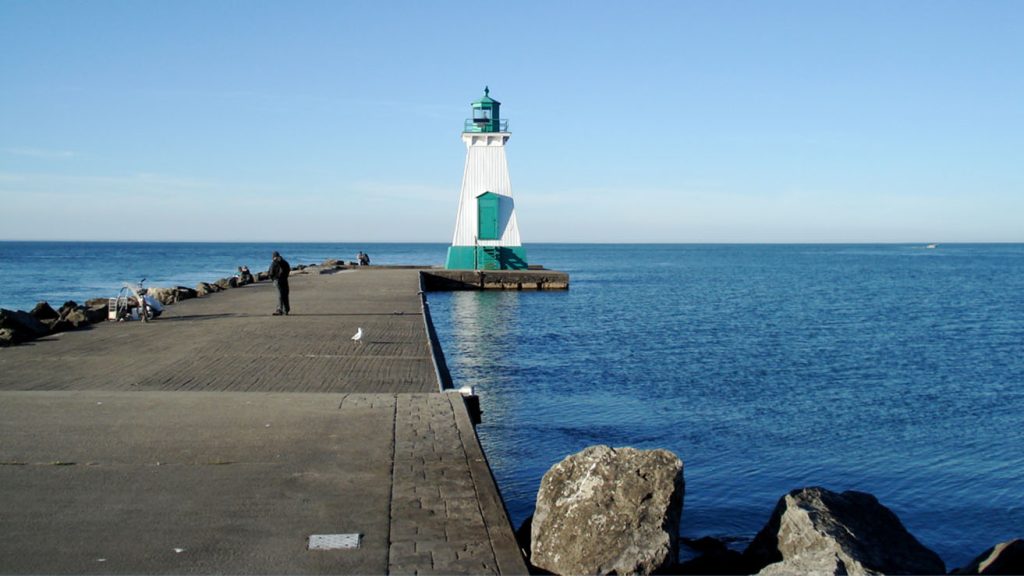
No historic exploration of St. Catharines is complete without visiting Port Dalhousie, a district rich in lakeside charm and maritime history. Once a thriving port, it now offers scenic strolls, boutique shops, and a unique glimpse into the city’s waterfront past.
Highlights:
- Victoria Lawn Pier: Ideal for sunset photography or a serene lakeside walk. The water reflects the sky in a palette of soft pastels during evening hours, making it perfect for reflection and creative inspiration.
- Historic Cottages and Commercial Buildings: The streets are lined with preserved structures now functioning as restaurants, galleries, and shops. I spent hours exploring a local bookstore housed in a 19th-century building, marveling at its architecture and the smell of old pages.
- St. Catharines Museum and Welland Canals Centre: Offers detailed exhibits on the canal and port history. I particularly enjoyed the interactive displays that allow visitors to understand canal operations and historic shipping practices.
Costs & Booking: Walking the pier is free; museum admission is CAD \$7 for adults. Guided tours or special exhibitions may require separate tickets via the museum website or Viator.com.
Visitor Tips:
- Check the weather; sunsets are best on clear days.
- Bring a camera for the interplay of water, architecture, and natural light.
- Combine a lakeside walk with lunch at a nearby café or bistro, using OpenTable.ca to reserve tables with waterfront views.
4. St. Paul Street Commercial Corridor
Address: St. Paul St, Downtown St. Catharines, ON
St. Paul Street is a living corridor where history and modern commerce intertwine. Heritage façades host contemporary boutiques, artisanal shops, and cafés, creating a vibrant streetscape for both shopping and cultural exploration.
Highlights:
- Heritage Architecture: Many buildings retain original brickwork, cornices, and window trims, making them a photographer’s delight. I often paused to capture the intricate details with my camera, noticing patterns and textures that are easy to overlook while walking briskly.
- Specialty Shops: From artisanal chocolate makers to vintage bookstores, St. Paul Street offers treasures that reflect local craftsmanship. I spent hours sampling pastries at a century-old bakery, watching bakers work behind glass windows—a tangible connection to the past.
- Cultural Events: Seasonal festivals, street art installations, and evening art walks create lively atmospheres. These events provide both entertainment and historical context, often including storytelling or guided art explanations.
Costs & Booking: Walking is free. Event admission typically ranges CAD \$5–\$10. Tickets can be reserved via Eventbrite.ca or directly on store/event websites.

Visitor Tips:
- Afternoon visits allow for vibrant street life and active shop windows.
- Dress in layers; winds from nearby Lake Ontario can make streets cooler than expected.
- Pause frequently to read historical plaques and appreciate the evolution of the corridor.
Expanding Your Historic Walk
To fully experience St. Catharines’ historic districts, plan your walk with intention:
- Accommodations: Staying downtown allows you to walk between districts. Platforms like Booking.com and Expedia.ca offer boutique hotels close to heritage streets.
- Flights & Transportation: Arrive via AirCanada.com or WestJet.com, then use car rentals from Enterprise or Avis to explore areas slightly outside the core districts.
- Dining: Reserve lunch or dinner spots through OpenTable.ca near walking routes to minimize travel and maintain immersion.
- Tours & Tickets: Some guided experiences and heritage home visits require advance booking via Viator.com or museum websites to secure spots.
- Photography & Journaling: Carry a camera and notebook to capture architectural details, street scenes, and reflections. The act of recording enhances engagement with the history around you.
Walking through downtown St. Catharines is an intimate journey through time. The city’s historic districts invite lingering, observation, and reflection, blending the energy of modern life with the rich narrative of the past. Old Niagara Street, Montebello, Port Dalhousie, and St. Paul Street each offer distinct experiences, from commercial vibrancy to residential serenity to lakeside charm. Every step connects the present with stories of the people, architecture, and culture that shaped this region.
By exploring these streets thoughtfully—pausing, photographing, conversing with locals, and visiting nearby museums—you can experience the city not just as a visitor, but as someone momentarily woven into its enduring historical fabric. Booking accommodations and flights in advance through trusted platforms ensures a stress-free journey, while reserving dining and guided tours adds depth and convenience to each day. Walking through these districts becomes more than sightseeing—it becomes a deeply personal encounter with the layers of St. Catharines’ history, architecture, and community.